My name is Ingrid Hansen, and I’m writing this from my kitchen in Oslo, Norway, while my 12-year-old daughter Astrid practices piano in the next room. She’s playing the same piece over and over, and honestly, it’s driving me a bit crazy – but it’s also the most beautiful sound in the world.
Let me tell you how we got here, because it wasn’t the path I expected. Like many women, I had it all figured out in my twenties. I’d graduate from university, build my career in graphic design, travel the world, maybe even live abroad for a while. Kids would happen naturally when I was ready – around 35, I thought. Plenty of time.
I met Jonas when I was 28. We dated for three years, got married at 31, spent two years just being married and traveling. Perfect timing, right? At 33, we decided we were ready to start our family. Except my body had other plans.
Month after month, nothing happened. “Just relax,” everyone said. “Stop trying so hard.” As if relaxation was some magical fertility potion I’d forgotten to drink. After a year, we saw a doctor. The news hit like a cold Norwegian winter: diminished ovarian reserve. At 34, my egg count was more like that of a 45-year-old. All those years I thought I had time? They were already gone.
“Why didn’t anyone tell me this could happen?” I asked the doctor. She just shrugged sadly. “Many women don’t realize how quickly fertility declines after 30.”
Three years of fertility treatments followed. IUI attempts that failed. The first IVF cycle that gave us hope, then heartbreak. Jonas and I barely spoke about anything else. Our marriage became a series of doctor’s appointments and medication schedules. The second IVF failed too. I remember sitting in our car in the clinic parking lot, both of us crying, wondering if we should just accept that it wasn’t meant to be.
“One more try,” Jonas said finally. “But if it doesn’t work, we might have to accept that this is our fate.”
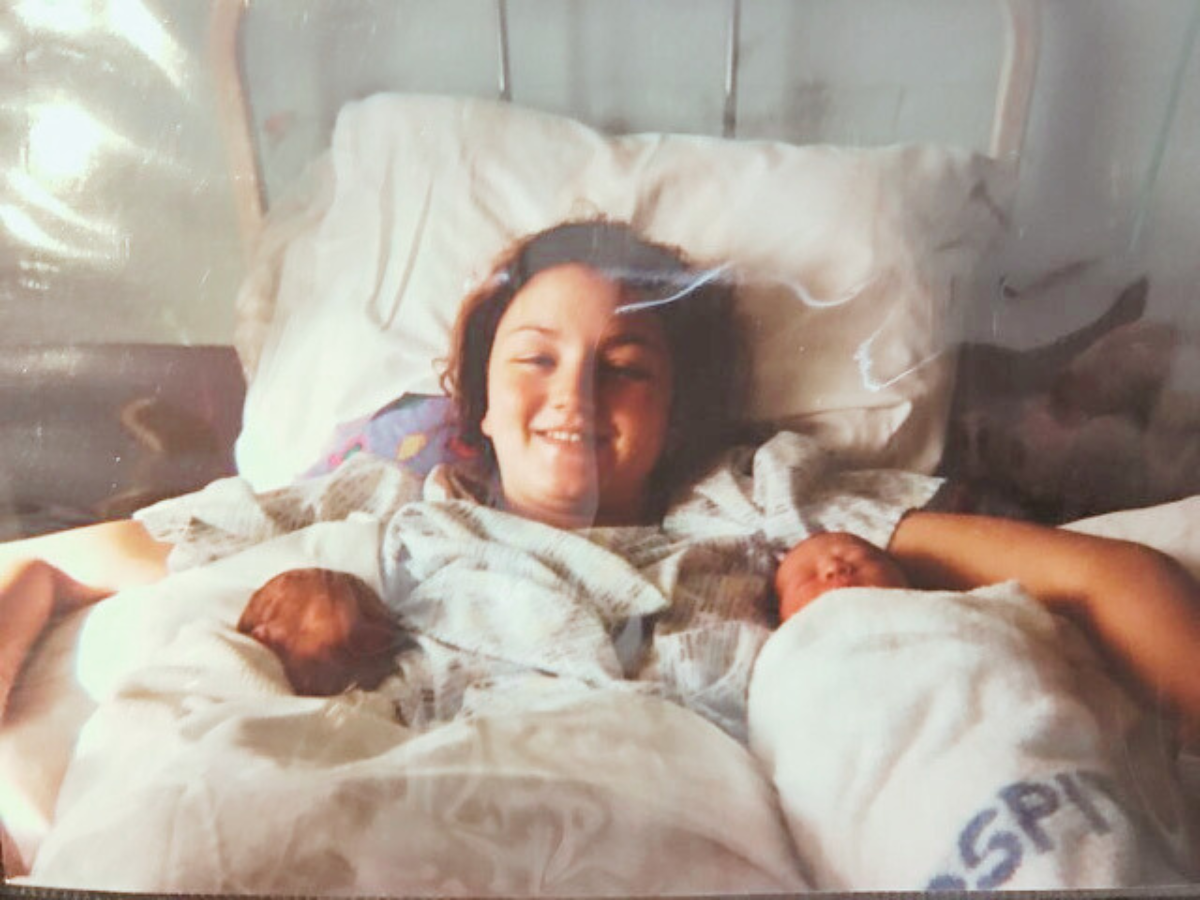
The third cycle worked. At 37, I was finally pregnant. The pregnancy wasn’t easy – high blood pressure, bed rest for the last two months – but Astrid arrived healthy and perfect.
Now she’s 12, and every day I’m grateful for our stubborn determination. But I’m also upset that no one prepared me for the reality of fertility. I thought I was being responsible by waiting, building my career first. I had no idea I was gambling with my future.
If you’re in your twenties or early thirties and you think you might want kids someday, please consider getting a basic fertility check – FSH, AMH levels, egg count, that kind of thing. Not to scare you, but to give you information to make informed choices. I’m not saying have kids before you’re ready. But know that fertility isn’t guaranteed to wait for the perfect moment. Some women have babies easily at 40. Others struggle at 25.
And if you’re struggling with fertility now, know that you’re not alone. It’s not your fault. It’s not because you waited “too long” or worked too hard or weren’t relaxed enough. Sometimes bodies just don’t cooperate with our plans, and that’s nobody’s fault.
Whatever path your journey takes, whether it leads to biological children, adoption, or a different kind of fulfilling life altogether, you are enough exactly as you are. Your worth isn’t determined by your ability to conceive, and your story isn’t over yet.Warmly, Ingrid
@Ingrid, thank you for gifting us with your journey — a reminder that our bodies hold answers we deserve to know long before we think to ask the questions.